Data Analytics
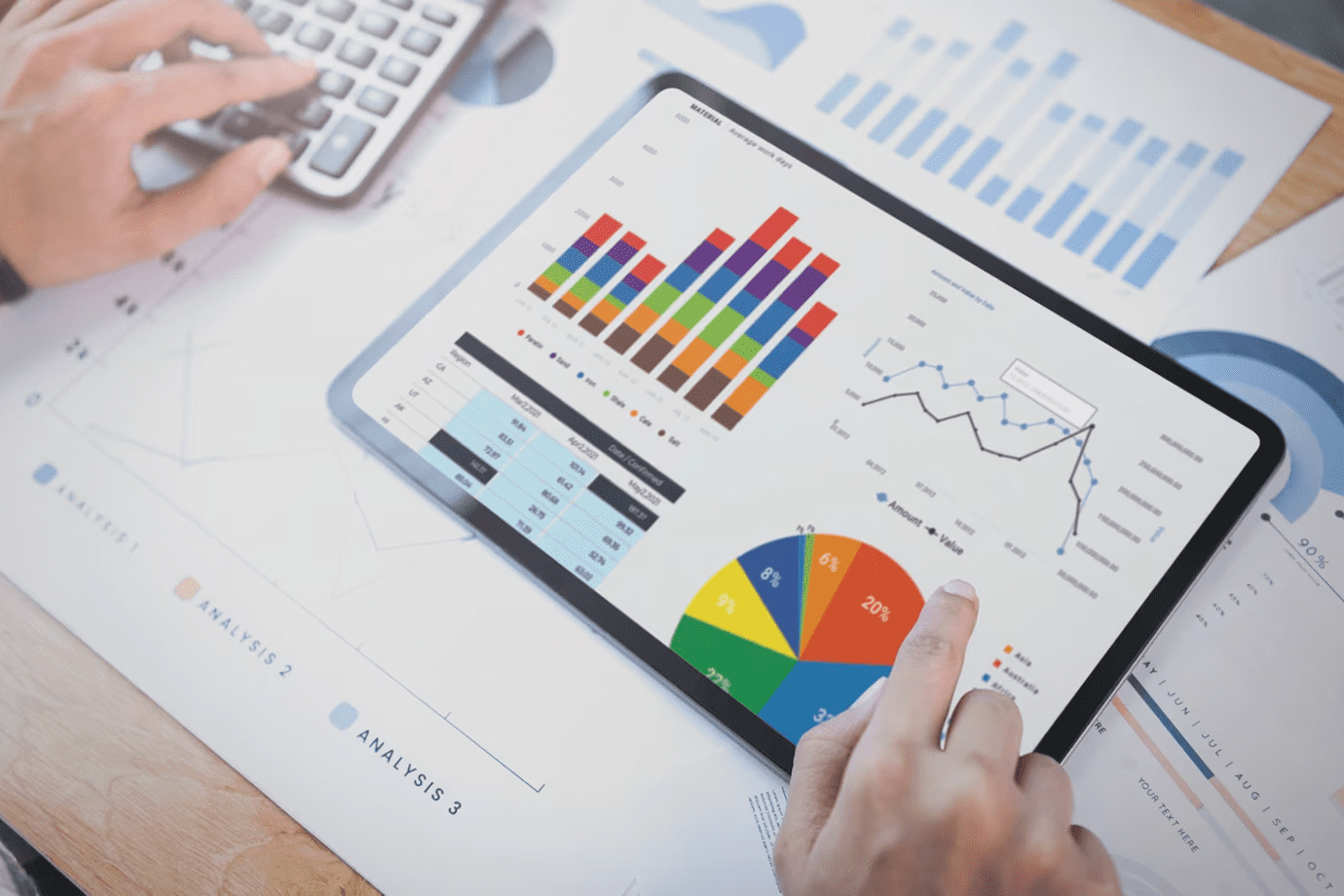
Understanding Data Analytics: A Comprehensive Guide
In the digital age, data is ubiquitous, generated by everything from social media interactions to online transactions. Data analytics, the science of analyzing raw data to make conclusions about that information, has become a pivotal tool for businesses looking to harness the power of this data. This blog aims to demystify data analytics, exploring its significance, processes, and applications in various industries.
What is Data Analytics?
Data analytics involves examining datasets to draw conclusions about the information they contain, increasingly with the aid of specialized systems and software. These technologies enable organizations to automate and optimize their processes and to make more informed business decisions.
Types of Data Analytics
- Descriptive Analytics: This type involves summarizing past data to understand what has happened in the past. Common techniques include data aggregation and data mining, which help in identifying patterns and trends.
- Diagnostic Analytics: This moves beyond descriptive analytics by focusing on why something happened. It involves more detailed data analysis and is useful for identifying root causes of events.
- Predictive Analytics: As the name suggests, predictive analytics uses statistical models and machine learning techniques to predict future outcomes. It's widely used in forecasting, risk management, and customer insights.
- Prescriptive Analytics: This advanced type of analytics not only predicts future outcomes but also suggests actions to achieve desired results. It combines data, algorithms, and machine learning to recommend practical actions.
The Data Analytics Process
- Data Collection: The process starts with gathering relevant data from various sources, including databases, surveys, sensors, and online sources.
- Data Cleaning: Raw data often contains errors, inconsistencies, and missing values. Cleaning the data involves correcting or removing these issues to ensure quality analysis.
- Data Exploration and Analysis: This step involves analyzing the cleaned data to discover patterns, correlations, and insights. Techniques include statistical analysis, data visualization, and machine learning.
- Data Interpretation: The insights gained from data analysis are interpreted to draw meaningful conclusions and make informed decisions.
- Data Visualization: Presenting data in graphical form helps in understanding complex data sets and communicating insights effectively. Common tools include charts, graphs, and dashboards.
Applications of Data Analytics
- Business: Companies use data analytics to improve decision-making, enhance customer experiences, optimize operations, and increase profitability. For instance, retailers analyze customer data to personalize marketing efforts and manage inventory.
- Healthcare: Data analytics is transforming healthcare by enabling personalized medicine, improving diagnostics, and optimizing hospital operations. Predictive analytics can foresee disease outbreaks and patient admissions, helping in better resource management.
- Finance: In the financial sector, analytics helps in fraud detection, risk management, and investment decisions. Banks analyze transaction data to detect suspicious activities and predict credit risk.
- Marketing: Marketers leverage analytics to understand consumer behavior, measure campaign effectiveness, and refine targeting strategies. Social media analytics, for instance, provides insights into brand sentiment and engagement.
- Sports: Teams and athletes use data analytics to enhance performance, prevent injuries, and develop game strategies. Analyzing player statistics and game data provides a competitive edge.
Challenges in Data Analytics
- Data Quality: Inaccurate or incomplete data can lead to misleading insights. Ensuring high data quality is crucial for reliable analysis.
- Data Privacy: With the increasing amount of personal data being collected, ensuring privacy and complying with regulations like GDPR is a significant challenge.
- Skill Gap: Data analytics requires a combination of domain knowledge, statistical skills, and technical expertise. Bridging this skill gap is essential for effective analytics.
- Integration: Combining data from disparate sources can be complex and time-consuming, requiring robust data integration strategies.
Future of Data Analytics
The future of data analytics is promising, with advancements in artificial intelligence and machine learning leading the way. Real-time analytics, which provides immediate insights, is becoming more prevalent. Additionally, the growing use of big data and the Internet of Things (IoT) will generate even more data, creating new opportunities for analytics.
Conclusion
Data analytics is a powerful tool that enables organizations to transform data into actionable insights. By understanding the types, processes, and applications of data analytics, businesses can make better decisions, enhance customer experiences, and stay ahead of the competition. As technology continues to evolve, the potential of data analytics will only grow, driving innovation and success across various industries.